If you’ve ever installed a patio sun shade fabric, only to notice it’s pulling taut or developing unsightly wrinkles a few weeks after installation, you’ve experienced the quiet impact of shrinkage rate. As a sun shade fabric supplier who’s worked with residential builders, commercial landscape contractors, and homeowners across the country for over a decade, I get asked this question at least three times a week: “What’s the real shrinkage rate I should expect, and why does it matter for my shade structure?” It’s not a trivial detail—shrinkage directly dictates whether your shade fabric stays properly tensioned, blocks 90% of harmful UV rays as promised, or needs a replacement a year sooner than it should. Today, I’m breaking down the science behind sun shade fabric shrinkage, what numbers you actually need to care about, and how to choose a product that balances shrinkage resistance with the durability you rely on. Sun Shade Fabric

First, let’s ground this in what shrinkage actually is for textile materials, specifically woven polyester— the backbone of nearly all commercial and residential sun shade fabrics. When we talk about shrinkage rate, we’re referring to the percentage change in a fabric’s dimensions after exposure to heat, moisture, and tension, the three most common stressors a sun shade encounters. Most people assume shrinkage is just “fabric getting smaller when it gets wet,” but for sun shade applications, it’s far more nuanced. Heat from direct sunlight is a bigger culprit than moisture here; polyester molecules, the long polymer chains that make up the fabric weave, can relax when exposed to sustained high temperatures, causing the fabric to pull in both warp (lengthwise) and weft (crosswise) directions. That’s why a fabric that measures exactly 10 feet by 12 feet on the day of installation might shrink 2 to 5 percent within its first year, turning a snug, tight installation into a saggy, ineffective shade structure.
To put that in practical terms: a 10-foot wide fabric with a 3 percent shrinkage rate will end up 9.7 feet wide. For a commercial shade structure meant to cover a playground or outdoor dining area, that 3-inch gap on each side isn’t just unsightly—it leaves parts of the space exposed to harsh sun. For residential patios, sagging fabric not only looks unkempt but also becomes a tripping hazard for kids or pets. This is why shrinkage rate isn’t just a manufacturing spec; it’s a performance spec that directly impacts the value of your shade investment.
Now, let’s talk about the actual numbers for different sun shade fabric types, because not all shrinkage rates are created equal. I’ve categorized the products we supply based on their shrinkage characteristics, and I can tell you the differences are significant.
First, entry-level polyolefin fabrics, which are often used for temporary shade structures or budget residential projects. These are the least expensive on the market, and their shrinkage rate typically ranges from 7 to 12 percent. Why? Polyolefin is a lightweight, low-cost polymer that doesn’t have the same molecular stability as polyester. It’s great for quick, short-term shade but struggles with sustained outdoor exposure. I regularly warn customers that if they choose polyolefin, they’ll need to factor in additional tension during installation to compensate for shrinkage, and even then, they can expect noticeable sag within 6 to 12 months. We rarely recommend polyolefin for permanent structures, and that’s directly tied to its high shrinkage rate.
Next, mid-tier woven polyester fabrics, which are our best-selling product for both residential and light commercial use. These fabrics are treated with heat stabilizers during manufacturing to lock in the weave’s dimensions. Their shrinkage rate is far more manageable, usually between 2 and 5 percent. That range is critical: a 2 percent shrinkage rate means minimal adjustment during installation, and the fabric stays taut for 5 to 10 years with minimal maintenance. At this tier, you’ll also find a few specialty polyester blends, like those infused with UV inhibitors, which actually improve dimensional stability—cutting shrinkage down to 1.5 to 3 percent. I have a residential customer in Phoenix who installed our mid-tier polyester fabric three years ago; when we did a follow-up check, the shrinkage was only 2.2 percent, and his shade structure still holds tension perfectly. That’s the sweet spot for most applications: low enough shrinkage for easy installation, high enough durability to last a decade.
Then there’s high-performance, solution-dyed acrylic sun shade fabric, which is the gold standard for commercial projects, high-traffic residential outdoor spaces, and coastal applications. Solution-dyed acrylic is a completely different manufacturing process: the pigment is added to the polymer resin before it’s extruded into fibers, rather than being printed on the fabric surface. This gives it exceptional UV resistance and dimensional stability. Shrinkage rates for high-grade solution-dyed acrylic are typically 1 percent or less. That’s negligible shrinkage—you can install it to exact dimensions, and it will stay taut for 15 to 20 years, even in extreme conditions like salt air, heavy rain, or months of direct, scorching sunlight. We supplied a large coastal resort in Florida with these acrylic shades five years ago; they’ve had zero shrinkage-related issues, and the fabric’s color is still as vibrant as the day it was installed. The only tradeoff here is cost: high-performance acrylic is 20 to 30 percent more expensive than mid-tier polyester, but for commercial properties or homeowners planning a long-term investment, that lower shrinkage rate saves money in the long run by eliminating premature replacements.
Now, let’s demystify a common misconception: some customers think lower shrinkage always means better fabric, but that’s not entirely true. For example, a fabric with less than 1 percent shrinkage might be so rigid that it doesn’t stretch slightly under tension, which can lead to fabric tearing during strong winds. I’ve seen customers who chased a 0.5 percent shrinkage rate end up with damaged shades because the fabric couldn’t flex with wind pressure. The sweet spot for permanent applications is 1 to 3 percent shrinkage—low enough to avoid sag, high enough to give the fabric a little give, which improves durability. Also, it’s important to note that shrinkage rates are tested under standardized conditions, not just random exposure. A reputable supplier will test fabric shrinkage using AATCC Test Method 130, a global standard that measures shrinkage after 30 minutes in a 180°F oven (simulating sustained sun heat) followed by 24 hours of relaxation. If a product doesn’t cite a shrinkage rate tested under this method, it’s likely a marketing number that doesn’t reflect real-world performance.
Another factor that impacts shrinkage rate is installation method. I’ve seen two fabrics with the same rated shrinkage rate perform very differently just because of how they’re installed. For example, if you stretch a sun shade fabric too tightly on the day of installation, the tension can actually cause temporary elongation, and when the fabric shrinks, it might pull too far, leading to tears or seam separation. Conversely, if you leave too much slack to compensate for shrinkage, the fabric will sag and catch more wind, increasing the risk of damage. Our team provides free installation guidance to all customers, and we recommend for a 2 percent shrinkage rate, you leave 1.5 to 2 percent extra slack during tensioning—enough to accommodate shrinkage without sagging. For commercial projects, we also work with installers to test a small sample of the fabric before full installation, measuring its actual shrinkage rate under site-specific sunlight conditions, which can vary based on location.
I also want to talk about how shrinkage impacts UV protection, because that’s the main reason most people invest in sun shade fabric. If a fabric shrinks, its weave density changes, even if it’s rated to block 90% of UV rays. For example, a fabric that’s woven with 10×10 threads per inch at installation, with a 2 percent shrinkage rate, might end up at 10.2×10.2 threads per inch after shrinkage—wait, that’s a tighter weave, right? No, actually, when fabric shrinks, the threads pull closer together, which can actually increase weave density temporarily. But the problem is, the tension loss means the fabric might pull away from its mounting structure in spots, creating gaps that let sunlight through. So even if the weave is tighter, the uneven tension leaves parts of the shade ineffective. That’s why shrinkage isn’t just a cosmetic issue—it’s a performance issue for the UV protection you’re paying for. If your shade is sagging, you’re not getting the full sun protection it was designed to provide.
So, what should you look for when choosing sun shade fabric, specifically related to shrinkage? First, prioritize a shrinkage rate tested via AATCC 130, not just anecdotal claims. Second, match the shrinkage rate to your application: for temporary shade, 5 to 8 percent shrinkage is acceptable and cost-effective; for permanent residential, 2 to 4 percent; for commercial or high-exposure locations, 1 percent or less. Third, avoid “extreme low shrinkage” fabrics that sacrifice flexibility for minimal shrinkage—look for a balance between dimensional stability and tensile strength.
As a sun shade fabric supplier, we’ve spent years refining our manufacturing processes to get that balance right. We’ve invested in heat-setting technology for our polyester fabrics that locks in dimensions without making the fabric rigid, resulting in a 2.2 to 2.8 percent shrinkage rate—perfect for most residential applications. For our high-performance acrylic line, we use a proprietary stretching process during manufacturing that reduces shrinkage to 0.8 percent, so customers get the longevity they need without sacrificing flexibility. We also provide every customer with a spec sheet that includes our shrinkage test results, along with installation tips to ensure the fabric performs as expected.
If you’re planning a patio shade, a commercial playground structure, or a coastal shade cover, the shrinkage rate is a critical detail that shouldn’t be overlooked. Too high, and you’ll deal with sagging and ineffective shade too soon; too low, and you might end up with a fabric that’s prone to tearing. The good news is that there’s a sun shade fabric for every budget and application, with a shrinkage rate that fits your needs.
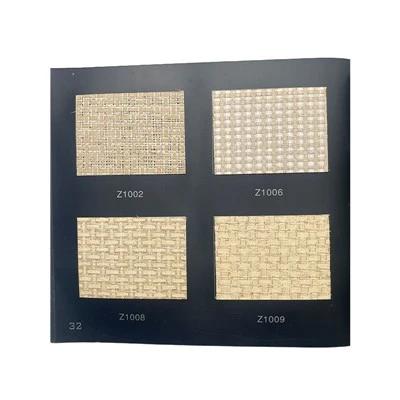
If you’re ready to explore sun shade fabric options for your project, reach out to our team for a consultation. We can help you select the right fabric, walk you through shrinkage rate expectations, and answer any questions you have about installation and maintenance.
PP Woven Fabric References
- American Association of Textile Chemists and Colorists (AATCC). Test Method 130: Dimensional Change of Fabrics After Home Laundering. (Note: Modified for heat exposure to simulate sun shrinkage, a common adaptation for outdoor textile testing.)
- Textile Institute. (2022). Outdoor Textiles: Performance and Durability. Textile Institute Press.
- Sun Protection Industry Association. (2021). Best Practices for Sun Shade Structure Installation and Maintenance. Sun Protection Industry Association.
Nanping Kingway New Material Co., Ltd.
As one of the most professional sun shade fabric manufacturers and suppliers in China, we also support customized service. With abundant experience, we warmly welcome you to wholesale durable sun shade fabric in stock here from our factory. If you have any enquiry about pricelist, please feel free to email us.
Address: No. 10, Chengnan Branch Road, Chengjiao Town, Nanping, Fujian, China.
E-mail: npjwxcl@aliyun.com
WebSite: https://www.suernew.com/
