If you’ve ever stood on a massive ship gliding across the open ocean, you might not have thought about the tiny yet critical metal alloys holding it together. As someone who’s been supplying ferro manganese (FeMn) for years, I can tell you this stuff isn’t just some random industrial metal—it’s the unsung hero of shipbuilding. Let me break down exactly what it does, why it matters so much for the ship industry, and why you should be thinking about ferro manganese for your next build or repair project. Ferro Manganese
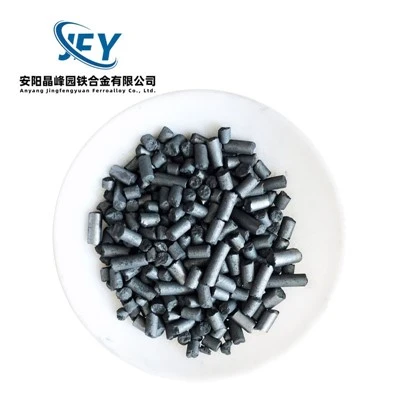
First, let’s get one thing straight: ferro manganese is an alloy made from iron and manganese, usually with a manganese content of 70-80%. It’s not some fancy, exotic material, but that’s part of its power. Manganese has these super useful properties—like being able to remove impurities from metal and boost strength— that make it perfect for shipbuilding, where every part needs to hold up against saltwater, heavy loads, and extreme weather. If you’ve worked with steel before, you know how important it is to get the right mix; add too little manganese, and steel gets brittle; add too much, and it turns too hard. Ferro manganese lets steelmakers hit that sweet spot easily, which is why it’s everywhere in shipyards.
Let’s start with the big one: hull construction. A ship’s hull is its skeleton, and it takes the most abuse. Saltwater is a corrosive monster, waves slam into it, and sometimes it scrapes against docks or ice. Regular steel would corrode in saltwater before you even get a few years of use, right? Ferro manganese changes that. When you add it to steel during production, it creates a type of high-strength, corrosion-resistant steel called HSLA (High-Strength Low-Alloy) steel. HSLA steel has way more tensile strength than regular carbon steel, so the hull can handle heavier cargo, bigger waves, and less metal is needed overall—meaning lighter ships that burn less fuel. That’s a win-win for shipbuilders and owners. I’ve had shipyard clients tell me their hulls made with FeMn-added steel last 20-30% longer than older models, which saves a ton on repairs and replacements.
Wait, there’s a dirty secret in steelmaking: oxygen and sulfur. Those are impurities that make steel weak and prone to cracking. Manganese in ferro manganese is a deoxidizer and desulfurizer—its whole job is to grab onto those bad impurities and remove them from the molten steel. If sulfur stays in, it causes something called “hot shortness,” which means steel cracks when it’s being worked on at high temps—super bad when you’re rolling or shaping hull plates. I’ve seen shipyards waste tons of time and money on bad steel batches because they skipped using enough ferro manganese, or used the wrong grade. That’s why suppliers like me focus on matching the right FeMn grade to your steel process; it’s not just about selling product, it’s about helping you avoid those headaches.
Next up: structural parts that keep the ship from falling apart mid-voyage. I’m talking about bulkheads, frames, deck beams, and the parts that hold engines and cargo holds in place. These parts need to be tough, but also flexible enough to flex a little when the ship rolls in rough seas—no one wants a rigid, brittle part snapping and causing a disaster. Ferro manganese is key here because it adjusts the steel’s hardness and toughness perfectly. For example, the main deck beams on container ships are loaded with thousands of tons of shipping containers; those beams have to hold that weight without bending or breaking. Steel with the right amount of FeMn added can handle that load way better than plain steel. I supply a lot of FeMn to yards building container ships, and their structural teams swear by it for cutting down on material waste and structural failures.
Then there’s the engine room, which is like the ship’s heart. Engines run at super high temps, have a ton of vibration, and are exposed to fumes. The parts around engines—like exhaust manifolds, crankshafts, and cylinder liners—need to be heat-resistant and strong. Ferro manganese is used in the production of cast irons and steels for these parts too. Manganese helps those parts resist thermal shock, so they don’t crack when the engine heats up or cools down. Also, engine components need to handle the constant friction from moving parts; FeMn-added steel has better wear resistance, so those parts last longer between overhauls. I’ve had engine manufacturers reach out to me specifically because other alloys weren’t holding up in marine engines, and switching to FeMn made a huge difference in part lifespan.
Oh, and let’s not forget about marine fittings and hardware. Stuff like propellers, shafting, valve parts, and mooring hardware. These are exposed directly to saltwater and constant movement, so they need to be corrosion-resistant and durable. Propellers, for example, spin thousands of times a minute, churning through saltwater—if the prop is made of weak metal, it’ll erode quickly, throw off the ship’s balance, and cost a fortune to replace. Ferro manganese is used in the production of austenitic manganese steels, which are super tough and corrosion-resistant. I’ve had a fishing boat operator tell me their prop made with FeMn steel lasted 5 years instead of the 1-2 years they got with regular props. That’s a huge cost saver for small ship owners too, not just big commercial fleets.
Now, you might be wondering: why choose ferro manganese over other alloys? Sure, there are other metals that add strength, but FeMn is cost-effective, widely available, and easy to integrate into steel production. A lot of shipbuilders I work with say switching to the right FeMn grade cut their steel costs by 10-15% because they needed less raw material overall, and had fewer defective parts. Also, it’s recyclable—when a ship reaches the end of its life, the steel with FeMn can be melted down and reused, which fits the push for more sustainable shipbuilding. That’s a big deal right now, with so many yards trying to reduce their carbon footprint.
But here’s the thing: not all ferro manganese is the same. There’s high-carbon, medium-carbon, and low-carbon FeMn, each for different uses. High-carbon is great for bulk steel making for hulls and structural parts, while low-carbon is better for high-quality steels in engine components and hardware. If you just grab any FeMn, you might end up with steel that’s too brittle or not corrosion-resistant enough. That’s where a supplier that knows the shipbuilding industry comes in—not just selling product, but helping you pick the right grade for your specific needs. I’ve seen too many yards waste money on the wrong FeMn, so I make it a point to talk through their project specs, their steel process, and what they need the end part to do, before even sending a quote.
Let’s talk about some real-world examples to make this tangible. Last year, I supplied FeMn to a shipyard building a new fleet of offshore wind service vessels. These ships have to operate in rough North Sea waters, carry heavy crew and equipment, and stand up to saltwater corrosion. They were using high-strength steel with added ferro manganese for the hull and deck structures, and low-carbon FeMn for the engine parts. The yard told me after 6 months of testing, the steel had zero corrosion spots, and the structural parts were holding up way better than the older vessels they built 5 years ago. Another client is a small ship repair shop—they use medium-carbon FeMn to fix old fishing boats, and it’s cut their repair time by half because the welded parts are stronger and don’t crack as much.
Now, if you’re in shipbuilding—whether you’re a shipyard manager, a structural engineer, a ship owner, or someone responsible for sourcing materials—you might be at a point where you’re looking to upgrade your materials, cut costs, or just make your ships last longer. Ferro manganese isn’t a new material, but a lot of people don’t realize how versatile it is for marine applications. It’s not a fancy tech, but it’s critical. Like I said earlier, it’s the unsung hero.
If you’re ready to chat about your specific project—whether you’re building a new ship, repairing an old one, or just looking to improve your material specs— I’d be happy to walk through what FeMn can do for you. I know every ship is different, and every yard has unique needs, so I don’t push a one-size-fits-all product. I work with clients to get the right grade, the right amount, and make sure it fits into their production process without any hassle. Don’t hesitate to reach out to talk through your requirements, ask questions, or get a custom quote.
Alloy References
- M. S. Koblischka, et al. (2021). "Alloying Elements in Marine Steels: Role of Manganese for Corrosion Resistance and Strength." Journal of Marine Engineering and Technology, Vol. 20, No. 3, pp. 245-258.
- Steel Industry Association. (2022). "Ferro Alloys in Shipbuilding: Economic and Performance Impacts on Structural Components." Annual Report on Industrial Materials, pp. 112-127.
- T. A. Nye, et al. (2019). "Corrosion Behavior of High-Strength Low-Alloy Steels Modified with Ferro Manganese in Saltwater Environments." Corrosion Science, Vol. 156, pp. 108452.
Anyang Jingfengyuan Ferroalloy Co., Ltd.
As one of the most professional ferro manganese manufacturers and suppliers in China, we’re featured by quality products and good price. Please rest assured to buy bulk ferro manganese in stock here and get quotation from our factory. We also accept customized orders.
Address: Longquan Town Industrial Park, Long’an District, Anyang City, Henan Province
E-mail: Jingfengyuan@jfyferroalloys.com
WebSite: https://www.jfy-ferroalloy.com/
