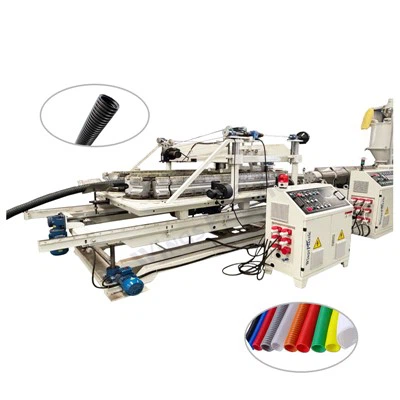
Cleaning a PPR pipe machine after production is a crucial maintenance step that ensures the machine’s longevity, efficiency, and the quality of the produced pipes. As a PPR pipe machine supplier, I’ve witnessed firsthand the importance of proper cleaning procedures. In this blog, I’ll guide you through a comprehensive process of cleaning a PPR pipe machine after production. PPR Pipe Machine
Why Cleaning is Essential
Before delving into the cleaning process, it’s important to understand why cleaning a PPR pipe machine is so vital. Over time, residual PPR material can accumulate inside the machine’s components, such as the extruder barrel, die head, and cooling tank. This buildup can lead to a variety of issues, including reduced flow rates, inconsistent pipe dimensions, and even damage to the machine’s internal parts. Regular cleaning helps to prevent these problems, ensuring that the machine operates at its optimal performance and produces high – quality pipes consistently.
Pre – cleaning Preparations
1. Safety First
Safety should always be your top priority when cleaning a PPR pipe machine. Make sure the machine is completely powered off and disconnected from the electrical supply. Wear appropriate personal protective equipment (PPE), including heat – resistant gloves, safety glasses, and a dust mask. This will protect you from potential injuries, such as burns from hot components or inhalation of dust particles.
2. Gather Cleaning Tools and Materials
You’ll need a variety of tools and materials for the cleaning process. Some essential items include:
- Cleaning rods and brushes: These are used to remove stubborn PPR residues from the inside of pipes and small openings.
- Solvents and cleaning agents: Choose solvents that are specifically designed for cleaning PPR materials. These can help dissolve and remove residual plastic.
- Scrapers and spatulas: Useful for removing large chunks of solidified PPR from the machine’s surfaces.
- Lint – free cloths: For wiping down the machine and removing any remaining debris.
Cleaning the Extruder
The extruder is the heart of the PPR pipe machine, responsible for melting and shaping the PPR material. Cleaning it thoroughly is crucial for maintaining its performance.
1. Remove Residual PPR
Start by allowing the extruder to cool down completely. Once it’s cool, use a scraper or spatula to remove any large pieces of solidified PPR from the hopper, barrel, and screw. Be careful not to scratch the surfaces of these components, as this can affect the extrusion process.
2. Flushing the Extruder
After removing the visible PPR, it’s time to flush the extruder with a cleaning compound. Follow the manufacturer’s instructions for the specific cleaning compound you’re using. Generally, you’ll need to heat the extruder to the appropriate temperature and then feed the cleaning compound into the hopper. Run the extruder for a few minutes to allow the cleaning compound to circulate through the barrel and screw, dissolving and pushing out any remaining PPR residues.
3. Disassembling and Cleaning the Screw
In some cases, it may be necessary to disassemble the extruder screw for a more thorough cleaning. This should be done by an experienced technician, as improper disassembly can damage the screw or other components. Once the screw is removed, use a cleaning rod and brushes to clean the screw flights and the inside of the barrel. Pay particular attention to the areas where the PPR tends to accumulate, such as the ends of the screw and the barrel inlet.
Cleaning the Die Head
The die head is responsible for shaping the molten PPR into the desired pipe diameter and wall thickness. Any blockages or residues in the die head can result in flawed pipes.
1. Removing the Die Head
Carefully remove the die head from the extruder according to the machine’s manual. This may involve loosening bolts or using specialized tools. Place the die head on a clean workbench, and let it cool down if it’s still hot.
2. Cleaning the Die Channels
Use a cleaning rod and brushes to clean the die channels. Start from the inlet and work your way through the channels, removing any PPR residues. You can also use a solvent to dissolve stubborn residues. After cleaning the channels, wipe them down with a lint – free cloth to ensure they are clean and free of debris.
3. Cleaning the Die Surfaces
The outer surfaces of the die head can also accumulate PPR residues and dirt. Use a scraper or spatula to remove any large pieces of residue, and then wipe the surfaces with a cloth dampened with a cleaning agent. Make sure to clean the areas around the die openings thoroughly to prevent any blockages.
Cleaning the Cooling Tank
The cooling tank is used to cool the newly formed PPR pipes. Over time, it can accumulate dirt, scale, and PPR residues.
1. Draining the Cooling Water
Turn off the water supply to the cooling tank and drain all the water. You can use a sump pump or a drain valve to empty the tank quickly.
2. Scrubbing the Tank
Use a scrub brush and a cleaning agent to scrub the inside of the cooling tank. Pay attention to the corners and edges, where dirt and residues tend to accumulate. Rinse the tank thoroughly with clean water to remove any remaining cleaning agent.
3. Cleaning the Cooling Pipes
The cooling pipes inside the tank can also be clogged with debris. Use a cleaning rod or a high – pressure water jet to clean the inside of the pipes. Make sure to remove any blockages to ensure proper water flow and cooling efficiency.
Cleaning the Puller and Cutter
The puller and cutter are responsible for pulling the pipes out of the cooling tank and cutting them to the desired length. These components also need to be cleaned regularly.
1. Cleaning the Puller Rollers
The puller rollers can accumulate PPR residues, which can affect their grip on the pipes. Use a scraper or a brush to remove the residues from the rollers. Then, wipe them down with a cloth to ensure a smooth surface.
2. Cleaning the Cutter
The cutter blade can become dull and dirty over time. Use a cleaning cloth and a mild cleaning agent to clean the blade. Make sure to remove any PPR residues and debris from the blade and the cutting mechanism. If the blade is dull, it may need to be sharpened or replaced.
Post – cleaning Checks
After cleaning the PPR pipe machine, it’s important to conduct a thorough post – cleaning check.
1. Inspection of Components
Inspect all the components that have been cleaned, including the extruder, die head, cooling tank, puller, and cutter. Look for any signs of damage, such as scratches, cracks, or worn – out parts. If you find any issues, address them immediately to prevent further damage to the machine.
2. Lubrication
Some components of the PPR pipe machine, such as the bearings and moving parts, may require lubrication after cleaning. Refer to the machine’s manual for the recommended lubricants and lubrication procedures. Proper lubrication helps to reduce friction and wear, ensuring smooth operation of the machine.
3. Test Run
Once you’ve completed the inspection and lubrication, perform a test run of the machine. Start the machine and let it run for a few minutes without producing any pipes. Check for any abnormal noises, vibrations, or malfunctions. If everything seems to be working properly, you can start producing pipes again.
Conclusion
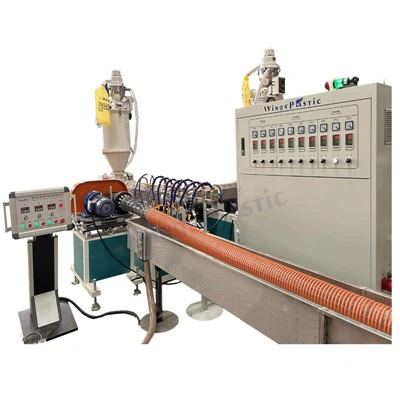
Cleaning a PPR pipe machine after production is a complex but essential process that helps to maintain the machine’s performance and extend its lifespan. By following the steps outlined in this blog, you can ensure that your PPR pipe machine operates at its best and produces high – quality pipes consistently.
PVC Pipe Machine If you’re in the market for a new PPR pipe machine or need more information on machine maintenance and cleaning, I encourage you to reach out to our sales team. We’re here to provide you with professional advice and support, helping you make the best decisions for your business.
References
- "PPR Pipe Extrusion Machine Operation Manual", Industry Standard Publication.
- "Maintenance and Cleaning Guidelines for Plastic Processing Machinery", Plastic Industry Association.
Qingdao Wings Plastic Technology Co., Ltd.
As one of the most experienced ppr pipe machine manufacturers and suppliers in China, we also support customized service. Please feel free to buy durable ppr pipe machine made in China here from our factory. For price consultation, contact us.
Address: C02 Of Anshengyi Road, No.2 Fuan Industry Zone,Jiaodong Town, Jiaozhou City, Qingdao City, Shandong Province,China
E-mail: kelly@wingsplastic.com
WebSite: https://www.wingsextruder.com/
