If you’ve ever worked in electronics manufacturing, you know how many tiny, sharp, and potentially dangerous tools are part of the daily grind. From precision tweezers and wire strippers to circuit board blades and sharp-edged component trays, the risk of nicks, cuts, and even more severe lacerations is constant. For anyone in this space, cut-resistant fabric is probably top of mind for personal safety gear—but a question I hear all the time as a cut-resistant fabric supplier is this: Can this same material actually be used in the electronics industry beyond basic work gloves? Cut Resistant Fabric
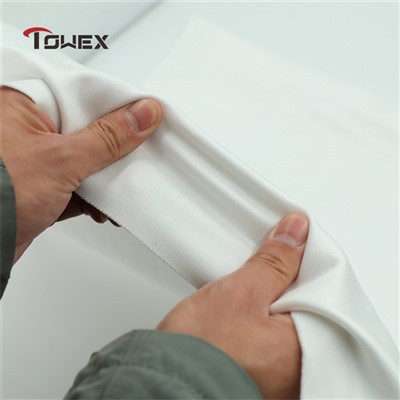
The short answer is yes, and it’s already being used in innovative, game-changing ways across the sector. But to get there, we have to look beyond the generic “cut-resistant” label, because not all cut-resistant fabrics are created equal. Electronics manufacturing has very specific needs: materials that don’t shed fibers, won’t interfere with delicate electronics, can stand up to harsh cleaning chemicals, and won’t leave residue that ruins circuit boards. As someone who’s spent 12 years sourcing and refining cut-resistant fabrics for industrial applications—including three years focused specifically on the electronics space—I’ve seen firsthand how the right fabric can solve long-standing safety and efficiency problems for manufacturers.
Let’s start with the basics: what makes a fabric cut-resistant? Most high-performance cut-resistant fabrics use a combination of high-tensile strength fibers, like UHMWPE (ultra-high-molecular-weight polyethylene), aramid (like Kevlar, but often custom-blended for specific needs), and sometimes stainless steel micro-filaments. These fibers are woven or knit in patterns that distribute cutting force across the fabric, rather than letting a blade or tool pierce through. But for electronics, that’s only half the battle. If the fabric sheds tiny fibers, those strands can get stuck in circuit board traces, under chips, or in solder joints, causing costly defects or even full product failures. If it’s not static-dissipative (ESD-safe), it can build up static electricity that fries sensitive semiconductors, a risk that’s even higher when handling components like microchips or lithium-ion battery parts.
This is where a lot of generic cut-resistant gear falls flat. A work glove made with basic cut-resistant fabric might keep a worker’s hand safe while handling metal sheets, but toss tiny aramid fibers around a cleanroom, and you’ve got a major contamination issue. That’s why we’ve spent years refining our cut-resistant fabrics to meet the strict standards of electronics cleanrooms: low-lint or lint-free finishes, ESD-safe treatments that dissipate static at levels safe for semiconductors, and resistance to common cleaning agents like isopropyl alcohol, which is used heavily in board assembly and component testing.
So where exactly is this fabric being used in electronics, beyond gloves? Let’s break down the most impactful applications I’ve seen, both from my own client work and industry case studies.
First, and most obviously: personal protective equipment (PPE), but upgraded for the space. Standard cut-resistant gloves were once the go-to for workers handling sharp circuit boards and lead frames, but many manufacturers are now switching to full cut-resistant finger cots, wrist wraps, and even lightweight sleeves for workers in component prep and board cutting areas. The key here is that these fabrics are thin enough to allow the fine motor skills needed for picking up tiny resistors or soldering, but thick enough to stop a 10-blade circuit board cutter or a sharp tweezers tip from piercing. One of our clients, a mid-sized electronics assembler in Texas, told us that after switching from generic cut-resistant gloves to our ESD-safe, lint-free fabric gloves, they saw a 40% drop in small cuts among their line workers, and a 15% drop in contamination-related product defects—because the gloves didn’t shed the aramid fibers their old gear had.
Next, work surfaces and process tools. This is a use that’s been gaining traction over the past five years, and it’s one that many people don’t see coming. Electronics assembly lines use countless workbenches, tray liners, and part holders that need to be sharp-resistant, ESD-safe, and cleanable. Instead of using hard plastic or metal trays that scratch delicate component casings or dull sharp tools, some manufacturers are lining their work trays and bench mats with our cut-resistant fabric. The fabric’s texture is gentle enough to not scratch microchips’ plastic casings or thin copper traces on unfinished boards, but its tensile strength is high enough to stop sharp tray edges or dropped tools from puncturing. One automotive electronics manufacturer I work with uses custom-sized cut-resistant fabric liners for their tray systems that hold engine control unit (ECU) components; they report that these liners last three times longer than the silicone mats they used before, and have cut the number of component scratches during handling by nearly 70%.
Another growing application: protective covers for delicate components during storage and transit. Semiconductors, printed circuit boards, and other sensitive electronics are often shipped in plastic or foam packaging, but that foam can have tiny sharp edges that scratch or nick component surfaces. Wrapping these parts in a thin, ESD-safe cut-resistant fabric adds an extra layer of protection without adding bulk that would slow down handling in warehouses or shipping. We also supply this fabric for custom pouches used to hold loose components like pins, connectors, and small chips during assembly—so line workers can grab parts quickly without worrying about a sharp edge catching on a tool or tray.
Wait, but what about durability? Electronics lines are fast-paced, with fabric that gets washed, wiped down, and handled dozens of times a day. That’s why we test every batch of our electronics-grade cut-resistant fabric for wash resistance: even after 50+ cleaning cycles with isopropyl alcohol or mild cleanroom detergents, it retains its cut resistance, ESD properties, and low-lint finish. A common mistake new clients make is choosing a fabric that passes initial testing but breaks down after a few weeks of use—something that’s a waste of money and a safety risk, because once a fabric loses its cut resistance, it’s no longer protecting workers.
I should also address a common concern I hear: “Won’t this fabric be too expensive for our assembly line?” It’s true that specialty electronics-grade cut-resistant fabric costs more than generic cut-resistant materials, but when you factor in the cost of worker injuries, product defects, and downtime from contamination, it’s actually a cost-saver. A single contaminated circuit board can cost hundreds or even thousands of dollars, depending on its use. A single cut injury that requires time off work, medical bills, and potential OSHA penalties can cost a company far more than the investment in quality fabric. Our clients almost always see a return on their investment within six to 12 months of switching, which is a selling point I emphasize heavily as a supplier.
Of course, this isn’t a one-size-fits-all solution. Not every part of an electronics manufacturing line needs cut-resistant fabric. For workers doing final assembly on large, thick boards, for example, standard ESD gloves are fine. But for roles like component sorting, board routing, lead frame prep, and packaging small parts, this fabric makes a massive difference. It’s also important to work with a supplier that understands both cut resistance and electronics manufacturing standards—someone who can tailor the fabric to your specific needs, whether that’s a lighter weight for fine motor work, a higher ESD rating for handling high-voltage components, or a super-low-lint finish for Class 1 cleanrooms.
As someone who’s been in this industry for years, I’ve seen a lot of safety trends come and go, but this one feels different. Electronics manufacturing is only getting more precise, with smaller components and sharper tools, so the demand for gear that protects both workers and products is only going to grow. Cut-resistant fabric isn’t just a safety accessory anymore—it’s a productivity and quality tool that can make a real difference for manufacturers.
If you’re in electronics manufacturing and you’re curious about how cut-resistant fabric could work for your line, I’d encourage you to reach out to a supplier who has specific experience with the space. Don’t just go for the cheapest option—ask about ESD ratings, lint levels, wash resistance, and past work with electronics clients. We work with manufacturers of all sizes, from small boutique assemblers to large national electronics firms, to create custom cut-resistant fabric solutions that fit their needs and budgets. Whether you need glove materials, tray liners, pouch fabric, or something else entirely, we can help you find the right balance of cut resistance, safety, and electronics compatibility.

It’s no secret that safety and quality go hand in hand in electronics. You can’t build reliable products if your workers are at risk of injury, and you can’t keep production on track if parts are being damaged by cheap, generic materials. Cut-resistant fabric for electronics isn’t just a nice-to-have—it’s a smart investment that protects your team, your products, and your bottom line. If you’re ready to explore options for your facility, contact our team today to discuss your needs and get a custom quote.
Ballistic Center References
- Occupational Safety and Health Administration (OSHA). 2023. “Workplace Safety Guidelines for Electronics Manufacturing.”
- International Electrotechnical Commission (IEC). 2021. “Standard for Electrostatic Discharge (ESD) Protection for Electronic Components.”
- Textile Protection Association (TPA). 2022. “Performance Standards for Cut-Resistant Fabrics in Industrial and Cleanroom Environments.”
- Electronics Industry Citizenship Coalition (EICC). 2023. “Guidelines for Contamination Control in Electronics Assembly.”
- Journal of Industrial Textiles. 2021. “Advances in Cut-Resistant Fabrics for Cleanroom and Precision Manufacturing Applications.”
Jiaxing Towex New Materials Co., Ltd.
Jiaxing Towex New Materials Co., Ltd. is one of the most experienced cut resistant fabric manufacturers and suppliers in China, also supports customized service with low price. Please feel free to buy bulk high quality cut resistant fabric in stock here from our factory. Contact us for quotation.
Address: Building 1666, Wuzhen High-tech Zone, Tongxiang City, Zhejiang Province
E-mail: sales@towextech.com
WebSite: https://www.topuhmwpe.com/
