If you’ve ever noticed your hot water heater taking longer than usual to heat up, or if you’ve heard strange rumbling or popping noises coming from the boiler’s tank, chances are it’s dealing with sediment build-up. As a hot water boiler supplier, I’ve worked with hundreds of homeowners and small business owners who write in confused why their new system, which should run efficiently for 10+ years, is already underperforming in year three. More often than not, the answer is simple: unaddressed mineral sediment. Today, I’m walking you through how to safely, effectively remove that sediment, plus a few proactive tips to keep your boiler running strong for decades. Hot Water Boiler
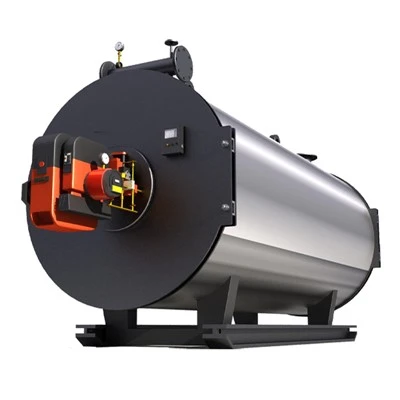
First, let’s get clear on what sediment actually is, because understanding the root of the problem makes maintenance way easier. When cold water flows into your boiler, it’s full of dissolved minerals—calcium, magnesium, and sometimes even iron or manganese, depending on where you live. These minerals don’t stay dissolved forever; as the boiler heats water to your desired temperature, the minerals start to clump together, forming hard, gritty sediment that settles at the bottom of the tank. Over time, that layer can build up to an inch thick or more. The good news? It’s totally preventable and removable without needing to replace your entire system (I’ve seen customers skip a full boiler replacement just by sticking to regular flushing).
I should also note that if you have a tankless hot water boiler, the process is a little different—we’ll cover that at the end of this post—but most of what I’m sharing today applies to the traditional storage tank boilers that 80% of residential and small commercial properties use. Always start with safety, no matter what type of boiler you have. Sediment removal involves draining hot water and working near electrical or gas connections, so never skip these prep steps: Turn off the boiler’s power first. If you have an electric boiler, flip the dedicated circuit breaker to the “off” position; if it’s gas, turn the thermostat to the lowest setting and switch the gas valve to “pilot” or “off.” Then, turn off the cold water supply valve that feeds into the boiler. Finally, attach a garden hose to the boiler’s drain valve—this is usually a brass valve located at the very bottom of the tank—and run the other end to a floor drain, outside, or a large bucket that won’t overflow.
Now, for the actual sediment flushing, the method that works best for most people. First, open a hot water faucet in your home or business (a bathroom sink works well) to create airflow, which lets water drain properly instead of getting stuck. Then, slowly open the boiler’s drain valve. You’ll start to see water flowing out, and it’ll look clear at first—but as the tank empties, you’ll notice small, gritty bits of sediment mixing in, turning the water cloudy or even light brown for a few minutes. Don’t panic if that happens; that’s exactly what we want to come out. Let the water run until it runs clear, which usually takes 10 to 15 minutes for standard 40- to 50-gallon tanks. If you want a deeper clean, once the water runs clear, you can temporarily turn the cold water supply back on for 30 seconds, then turn it off and let more water drain out—this dislodges any leftover sediment that’s stuck along the sides of the tank.
Wait, what if your sediment is extra stubborn, like rock-hard limescale that won’t budge with basic flushing? That’s common if you live in an area with very hard water, and I recommend a second step called a “deep descaling” for those cases. First, you’ll need to pick up a pH-neutral descaling solution made specifically for hot water boilers—avoid harsh chemicals like bleach or acidic toilet cleaners, because they can corrode the tank’s interior and damage the heating elements or burner. Follow the instructions on the solution’s bottle, but the general process is: After draining the tank and letting it cool completely, mix the descaling solution with equal parts water in a bucket, then pour it into the boiler through the cold water inlet. Let the solution sit in the tank for 1 to 2 hours (never leave it overnight), then flush the tank again with fresh water until the runoff is completely clear. For really thick limescale, you might need a small soft brush (plastic, not metal, to avoid scratching the tank) to gently scrub the bottom of the tank before flushing, but only do this if you’re comfortable working around the internal pipes—otherwise, call a professional, which I’ll recommend later if you’re unsure.
Once you’ve finished flushing, the reassembly step is just as important to get right, because a mistake here can lead to leaks or future sediment build-up. First, close the drain valve tightly to make sure there are no leaks. Then, open the cold water supply valve back up slowly, and watch the drain valve and any connections for drips. Next, turn on the hot water faucet you opened earlier—you’ll see air bubbles sputtering at first, which is normal, and that’s your tank refilling. Wait until the faucet runs consistently with no more air bubbles, that means the tank is full. Then, turn the boiler’s power or gas back on, and set the thermostat to your usual temperature. Give it 30 minutes to an hour, and check for any leaks or unusual noises. You’ll notice the difference immediately: the boiler will heat water faster, and that rumbling or popping noise that was keeping you up at night will be gone.
Now, let’s talk about tankless boilers, since they’re growing in popularity for smaller spaces and higher efficiency. Sediment in tankless systems usually builds up in the heat exchanger, which is a lot smaller and more delicate than a standard storage tank. The process for removing it is a bit different: you’ll need to access the heat exchanger, drain the system, and use a special descaling pump to circulate the descaling solution through the lines, rather than flushing the whole tank. I always recommend that homeowners with tankless boilers leave this to a certified technician—trying to flush the heat exchanger yourself can damage the thin metal coils, which are way more expensive to replace than a standard storage tank. That’s one of the reasons we offer annual maintenance checks for all the boilers we sell; our technicians are trained to spot early sediment build-up before it causes costly damage.
Here’s the big question: How often should you do this? For most standard boilers, flushing sediment once a year is enough if you have soft water or moderately hard water. If you have very hard water (you’ll know if your dishes have spots after washing or your faucets have a white film), you should do a basic flush twice a year, plus a deep descaling every two years. Annual maintenance checks from a professional are also a good idea—we’ve had customers skip a $150 annual check and end up with a $1,500 replacement because sediment corroded the heating element.
I’ve been in the boiler industry for 12 years, and the number one mistake I see is people waiting for obvious problems (like no hot water) before doing maintenance. Sediment build-up doesn’t just make your boiler run longer—it increases energy bills by up to 30%, according to the Department of Energy, because the sediment acts as an insulator, so the heating element has to work harder to warm water. It also shortens the lifespan of your boiler by 5 to 7 years, on average. That’s a big deal when a quality boiler from our line lasts 10 to 15 years with proper care.
If you’ve tried flushing your boiler and you’re still noticing sediment, or if you suspect limescale that won’t come out, don’t hesitate to reach out. As a hot water boiler supplier, we don’t just sell systems—we offer ongoing support to make sure they run their best. Our team can walk you through any step of the flushing process, recommend the right descaling products for your area’s water hardness, or schedule a professional maintenance visit if you’d rather leave it to the experts. Whether you’re a homeowner looking to keep your family’s hot water reliable or a small business owner wanting to avoid downtime for your café, laundromat, or office, we’re here to help. If you’re interested in upgrading to a new, more efficient boiler that’s designed to minimize sediment build-up, we can also walk you through our current models and help you pick the right one for your space and budget. Don’t let sediment ruin your hot water comfort or cost you extra money—reach out to start a conversation about maintenance or your next boiler purchase today.
LNG Cryogenic Pump Skid References:
- U.S. Department of Energy. (2022). Residential Water Heater Maintenance Guide. U.S. Department of Energy, Office of Energy Efficiency and Renewable Energy.
- International Association of Plumbing and Mechanical Officials. (2021). Standard Practices for Water Heater Flushing and Maintenance. IAPMO.
- Water Research Foundation. (2020). Mineral Sediment Accumulation in Storage Water Heaters: Impacts on Efficiency and Lifespan. Water Research Foundation.
Xinxiang Huayuan Container Equipment Co., Ltd.
With abundant experience, we are one of the most reliable hot water boiler manufacturers and suppliers in China. We warmly welcome you to buy durable hot water boiler made in China here from our factory. If you have any enquiry about cooperation, please feel free to email us.
Address: No.2, South Road, Industrial Cluster Zone, Genghuang Township, Fengquan District, Xinxiang City, Henan Province
E-mail: cncd527@gmail.com
WebSite: https://www.huayuanequipment.com/
