Hey everyone, let’s talk about something I geek out over every single day—poly bag agriculture. If you’re a farmer, a backyard grower, or just someone who’s tired of fighting with bad soil, weird weather, or wasting water, this might be the game-changer you’ve been sleeping on. I’m not here to hit you with a bunch of stuffy textbook jargon, but as someone who’s been supplying these poly bags for years, I’ve seen firsthand how this stuff works, and it’s way simpler than it sounds. Let’s break it down like we’re chatting over a coffee (or whatever you’re drinking while scrolling). Poly Bag Agriculture
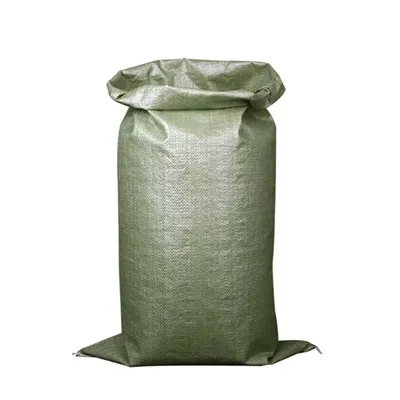
First off, what even is poly bag agriculture? For anyone new, it’s basically growing plants in individual, specialized plastic bags instead of straight in the ground. Yeah, I know, plastic sounds weird for farming—wait, don’t zone out on me yet. These aren’t the thin grocery store bags you toss after one use. We make ’em heavy-duty, UV-stabilized, and tailored exactly for growing. Every bag is like a tiny, self-contained growing system that solves so many problems regular dirt farming has.
Let’s start with the basics of how it works, step by step, because that’s what you guys actually want to know. First, you prep the growing medium. This isn’t your regular topsoil from the yard, by the way. We use a mix that’s way better—usually a blend of peat moss, perlite, vermiculite, and maybe some compost or controlled-release fertilizer. Why? It’s lightweight, drains perfectly, holds just enough water and nutrients, and is totally consistent. No more fighting with clay soil that won’t drain or sand that dries out in 2 hours. The nice thing about using our bags is you can pick a medium mix specifically for what you’re growing—tomatoes need something different than lettuce, right?
Next, you fill the bag. Easy peasy—just scoop that pre-mixed medium into the poly bag until it’s about 80% full. You don’t want to cram it all the way to the top because the plants need room to grow roots and the medium to expand a little when you water it. Once it’s filled, you seal the top (or leave a fold-over edge if that’s your thing) and maybe even punch a few small drainage holes in the bottom? Wait, actually, some of our bags already have built-in drainage slots—no work for you, that’s the good stuff. That’s one of the biggest perks of working with a supplier who actually knows their stuff, not just selling random plastic bags.
Then, the planting step. When you’re ready to put seeds or seedlings in, you just cut or punch a small hole in the top of the bag. How big? Depends on what you’re growing—for a tomato seedling, it’s like 3 inches, for lettuce, maybe an inch. You drop the seed or seedling into that hole, and gently cover it with a little more of the medium. That’s it? Yeah, that’s the basics. But here’s where the magic really happens, and it’s all about why this works so much better than traditional farming.
Let’s talk about the pros, because if you’re considering switching, you need to know what’s in it for you. First, soil quality issues are a thing of the past. If your land has compacted soil, bad pH, or pests like root rot or nematodes, you don’t have to deal with any of that. The growing medium in the bags is sterile (well, mostly—we process it to kill weed seeds and bad pathogens) so your plants start out clean. I’ve had customers who tried to grow tomatoes in their backyard for years, only to get blight every time, switch to our bags, and harvest 3x more fruit. It’s insane.
Water usage is another huge win. How many times have you forgotten to water your plants and they died, or overwatered and got root rot? Poly bags control that so well. The medium in the bag holds water way better than regular soil, and the plastic bag keeps moisture from evaporating super fast. On top of that, because each plant is in its own bag, you don’t have to water a whole big field—you can target each plant exactly. I’ve had customers tell me they cut their water usage by 50% when they switched. That’s a massive saving, especially if you’re in a dry area or dealing with high water bills.
Pest and weed control is way easier too. Weeds? If you’re growing in bags, there’s no weed seed in the growing medium, and the plastic stops any weed seeds from the ground creeping up. Pests like slugs, grubs, or even some fungal diseases? They can’t move between plants as easily because each is in its own bag. I had one customer who was losing 20% of his lettuce to slugs every season, switched to our bags, and that number dropped to less than 1%. No more constantly spraying pesticides or pulling weeds till your back hurts.
Weather is another big one. If you live in an area where heavy rain is common, the bags drain so well that your plants won’t get waterlogged. Drought? You can add a layer of mulch on top of the bag to hold even more moisture. And if a heatwave hits? You can even move the bags if you have to—can’t do that with a whole garden, right? I’ve had a customer with a small urban farm move their tomato bags to the shaded side of the building during a July heatwave, and saved their entire crop. That flexibility is game-changing for small-scale growers or people with limited space.
Wait, but let’s be real—this isn’t just for small backyard growers. Commercial farmers use poly bag agriculture all the time too. Greenhouse operations love it because it lets them stack bags to save space, control every variable (nutrients, water, light) perfectly, and harvest cleaner produce since it’s not touching the ground. I work with a few lettuce farms that use our bags and harvest 2 full cycles a year instead of 1, because the medium doesn’t get depleted like regular soil. No more rotating crops to keep the soil healthy—you just replace the medium every season, easy peasy.
Now, let’s get into some of the common questions I get, because people always ask the same stuff. How long do the bags last? The UV-stabilized ones we supply last 2-3 growing seasons, usually. After that, you can recycle them, or even cut them up and use them as weed barriers in your garden the next year. Wait, but what about the cost? A lot of people think it’s more expensive than traditional soil, but when you add up the money you save on water, pesticides, and higher yields, it usually works out to be cheaper in the long run. Plus, for small growers, the space savings alone mean you can grow more in the same area.
Another question: can I grow anything in poly bags? Basically, yes. Veggies like tomatoes, peppers, lettuce, cucumbers, zucchini work great. Herbs too—basil, rosemary, mint all thrive in our bags. Even small fruit plants like strawberries or dwarf blueberries do awesome. The only thing I’d say is, don’t grow super large trees in them—they need too much root space, but most edible plants and even flowers are perfect.
Wait, let’s clear up a misconception I hear all the time: people think poly bag agriculture is bad for the environment because of plastic. But here’s the thing—modern poly bags are way more eco-friendly than they used to be. We make ours from recycled plastic most of the time, and they’re reusable for multiple seasons. Plus, because you use way less water and fewer chemicals, the overall environmental footprint is way lower than traditional farming, especially in areas with poor soil. And when you’re done with them, we take back old bags for recycling, or you can drop them off at most plastic recycling centers now. No more plastic waste sitting in landfills, that’s a big one for me.
I’ve seen so many people overcomplicate this, like you need a degree in horticulture to make it work. Nah, it’s straightforward. You just need the right bags, the right medium, and a little common sense. I had a neighbor who’s retired and grows tomatoes and basil on his patio—switched to our bags last year, and his tomatoes were bigger and juicier than any he’s grown in the ground in 20 years. He texts me updates every week, it’s the best part of my job.
If you’re thinking about trying this, or you’re a commercial grower looking to boost yields, I’m here to help. I’ve been in this game long enough to know what works and what doesn’t, and we supply all kinds of bags tailored to different needs—small 5-gallon bags for patio herbs, 15-gallon bags for tomatoes, even extra-large ones for small fruit trees. We can help you pick the right size, the right medium mix, whatever you need.
I know switching can feel overwhelming, especially if you’ve been farming the same way for years. But trust me, once you try poly bag agriculture, you’ll wonder how you ever grew without it. No more fighting soil, no more wasting water, no more dealing with weeds and pests that keep ruining your crop. It’s simple, effective, and makes growing way more fun—because you get to actually see your plants thrive instead of stressing about all the problems that come with dirt farming.
If you’re ready to make the switch, or you have questions about what bags would work best for your specific crops, hit me up to chat. We can go over pricing, sizes, even tips for getting started. I’m not here to push you into something you don’t need—just help you get whatever works for your farm, backyard, or greenhouse. Don’t let another season of low yields or wasted water get you down. Poly bag agriculture is the solution for so many growers, and I’d love to help you give it a shot.
PP Woven Bags References:
- Goto, E. (2019). Advantages of containerized growing systems for sustainable agriculture. Journal of Horticultural Science & Technology, 12(3), 145-152.
- Li, Y., et al. (2021). Water use efficiency in plastic bag-based soilless cultivation: A meta-analysis. Agricultural Water Management, 245, 106542.
- Food and Agriculture Organization (FAO). (2020). Small-scale soilless cultivation guides for urban and peri-urban farming. FAO Urban Agriculture Technical Briefs.
- Smith, A. L. (2022). Polyethylene mulch and container growing: Environmental trade-offs in modern vegetable production. Journal of Environmental Quality, 51(4), 892-901.
Liaoning Xunlian Packaging Products Co., Ltd.
Liaoning Xunlian Packaging Products Co., Ltd. is one of the most professional poly bag agriculture manufacturers and suppliers in China, featured by quality products and good service. Welcome to wholesale CE approved poly bag agriculture made in China here and get quotation from our factory. Customized orders are welcome.
Address: Chaoyang Industrial Park, Kangping, Shenyang, Liaoning, China.
E-mail: info@xunlianpack.com
WebSite: https://www.xunlianpack.com/
