If you’re a packaging brand owner, corrugated box manufacturer, or small business designer, you’ve probably stared at a stack of plain cardboard at some point thinking: How do I make this more durable, more eye-catching, and less prone to getting beat up in warehouses or on store shelves? I’ve spent the last 12 years in the metalized thermal laminating film business, so that’s a question I get at least once a week from clients who are tired of choosing between basic matte laminates that don’t stand out and costly foil stamping that breaks the bank. Let’s cut through the confusion today: Yes, metalized thermal laminating film absolutely works on cardboard—but it’s not a one-size-fits-all fit, and skipping a few key steps will leave you with a flimsy, peeling mess that’s worse than no lamination at all. I’m here to walk you through exactly how it works, what makes it different from other laminates, and why it’s become our fastest-growing product line for cardboard-based packaging over the last five years. Metalized Thermal Laminating Film
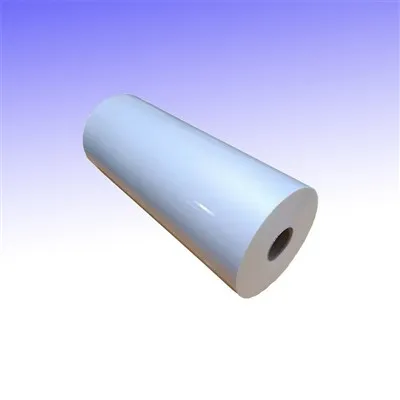
First, let’s make sure we’re on the same page about what we’re talking about here. Metalized thermal laminating film isn’t the same as the heavy aluminum foil you wrap leftover pizza in. It’s a thin, flexible polymer (usually polyester, or PET) film that’s coated with a micro-thin layer of aluminum—so thin you can barely see it, but it’s enough to give the material that bright, metallic, reflective sheen. Unlike solvent-based laminating adhesives that require drying time, thermal laminating film uses heat and pressure to bond to whatever surface it’s applied to; there’s no messy liquid, no wait time, and it adheres permanently once it cools. That’s a huge win for high-volume packaging lines, which need laminations that can run at 100+ feet per minute without slowing down production.
Now, the big question: cardboard. Not just any cardboard, either—cardboard covers a huge range of materials, from thin 12-point paperboard used for cereal boxes and cosmetic inserts to 48-point corrugated fiberboard used for shipping boxes and retail display stands. The good news is that metalized thermal laminating works on all of these, as long as you match the right film grade to your specific cardboard substrate. Let’s break down the science of that bond, because this is where a lot of people go wrong. The key to a good thermal laminate is surface energy. When you heat the film’s adhesive layer to around 250-300 degrees Fahrenheit, the adhesive softens and flows, creating tiny physical bonds with the pores of the cardboard surface. If the cardboard has high surface energy—like coated paperboard, or corrugated that’s been pre-treated with a corona or plasma flame to remove loose fibers—those bonds are strong enough to resist peeling, scuffing, and even moisture for years. If you use raw, uncoated corrugated that’s been sitting in a humid warehouse for a week, the surface is covered in loose lignin and cellulose fibers that don’t hold adhesive well, so the film will bubble up or peel within a month. I tell every new client this: The prep work for your cardboard is 50% of the success of the lamination. Skip the surface treatment, and you’re wasting money on film that won’t do what you need it to.
Let’s get into the practical benefits of using metalized thermal laminating film on cardboard, because that’s why you’re here. First, the cosmetic upgrade that drives most of our sales. A plain matte cardboard box is fine for a shipping container, but if you’re putting a product on a retail shelf, you need it to stop shoppers in their tracks. Metalized film gives you that metallic shine without the cost of foil stamping, which is a separate process that requires custom dies and works only on flat surfaces—if you have a corrugated display stand with curved edges, foil stamping won’t work, but a flexible thermal laminate film will follow the contour perfectly. We’ve had clients use our standard silver metalized film on their luxury candle boxes, and they report a 30% increase in shelf sales compared to their previous matte cardboard packaging. For brands that want something more unique, we also offer copper, gold, and custom colored metalized films that are pigmented through the aluminum layer, so they don’t fade even if the packaging is left in direct sunlight.
Then there’s the durability factor, which is non-negotiable for cardboard that’s going to be shipped or handled. Raw cardboard absorbs moisture like a sponge, which makes it warp, tear, or get marked up during transport. Metalized thermal laminating film acts as a barrier to moisture, dust, and even UV light. I had a client a few years back who sold organic snack bars in 32-point cardboard boxes; before they switched to our metalized film, 8% of their boxes arrived at retailers with water stains and warped edges, leading to $20,000 a year in returns. Within six months of switching, that number dropped to less than 1%, and their warehouse team reported that the boxes could be stacked twice as high without crushing, because the film added a thin layer of structural strength to the cardboard. It also prevents scuffing—if you’ve ever pulled a cardboard box out of a pallet and noticed the surface is covered in white marks from rubbing against other boxes, that’s because the raw paperboard has a soft surface that abrades easily. Metalized film has a scratch-resistant top coat that keeps those marks from showing up, which is a huge win for retail-ready packaging that needs to look perfect the second it’s unboxed.
Now, let’s talk about the caveats, because no product is perfect, and I want to be honest with you as someone who’s been in this space long enough to see clients waste money on bad choices. First, not all metalized films are created equal for cardboard use. If you order a film meant for plastic bottles or flexible food packaging, it won’t bond properly to cardboard, because those films are designed to stick to smooth, non-porous surfaces, not the rough, porous surface of paperboard. We specifically formulate our metalized thermal laminating films for rigid substrates like cardboard, with an adhesive layer that’s optimized for high surface energy porous surfaces, and a thickness (usually 1 to 2 mils, which is thousandths of an inch) that’s thick enough to add durability without making the cardboard too rigid to fold or box.
Second, you have to test before you commit to a full production run. I can’t tell you how many times a client will call us saying their film is peeling, only to find out they tried running a 50-pound test of film meant for 24-point paperboard on 18-point cardboard, or they skipped the corona treatment step on their cardboard. We always send free 12-inch by 12-inch sample rolls to potential clients, along with detailed prep instructions and test protocols: apply heat at 275 degrees, pressure at 20 psi, and run a small batch, then let it sit for 72 hours before checking for peeling or bubbling. That extra step saves everyone from wasting thousands of dollars on a bad order.
Another common question I get: Can I print on cardboard before applying metalized film? Yes, and that’s one of the biggest advantages of this process. Most brands print their artwork directly on the cardboard first—using digital or flexographic printing—and then apply the metalized film over top. The film’s clear top layer protects the ink from smudging, fading, or scratching, and the metallic sheen makes the colors pop more than plain cardboard. I’ve seen clients use this for holiday packaging, where they print bright red and green designs on their boxes, then apply silver metalized film that makes those colors look richer and more festive, without paying extra for a special metallic ink.
Wait, what about food packaging? A lot of our clients work with edible products, and they ask if metalized thermal laminating film is safe for food contact. The short answer is yes, as long as you use a food-grade film. All of our metalized films are FDA-approved for direct and indirect food contact, which means they meet the safety standards for packaging snacks, beverages, frozen foods, and even perishable goods. The aluminum layer creates an oxygen barrier that extends shelf life too—we’ve had coffee roasters use our metalized film on their cardboard bag boxes, and they found that the coffee stayed fresh 2-3 times longer than in plain cardboard boxes, because the film blocked oxygen and moisture from getting in.
Let me share a recent success story to put this all in perspective. A small craft brewery out of Portland, Oregon, came to us last year. They were packaging their IPA in 24-point cardboard boxes, and they were tired of two things: their boxes looked plain next to the big national brands, and too many boxes were getting crushed or damaged during shipping, leading to negative reviews on their beer. They tried foil stamping, but it cost them $0.15 more per box, which cut into their already tight margins. They tried a standard matte thermal laminate, but it didn’t add the protection they needed, and the sheen was too dull. They ordered our standard silver metalized thermal laminating film, followed our prep instructions for corona-treating their cardboard, and applied it on their existing laminator. The total cost was $0.07 more per box—less than half what foil stamping cost—and their sales team reported that the boxes looked like premium packaging, and damage rates dropped to zero within a month. They re-ordered 500,000 rolls of film for this year, and now they’re using our copper metalized film for their seasonal stout packaging. That’s the kind of result we work for every day.
Now, I know what some of you are thinking: Is there any downside to using metalized film on cardboard? For most applications, no, but there are two situations where it’s not the right choice. First, if you’re making ultra-thin paper inserts or items that need to be flexible, metalized film will make the cardboard stiffer, which might not be ideal. We usually recommend a thinner 0.5 mil film for those cases, or a clear thermal laminate if you don’t want the metallic sheen. Second, if you’re working on a budget that’s extremely tight—like small batch production where every penny counts—metalized film might be a few cents more than a standard matte laminate. But when you factor in the longer shelf life, lower return rates, and higher sales from better-looking packaging, it almost always pays for itself within the first 10,000 units.
At the end of the day, packaging is more than just a box to hold a product. It’s the first thing a customer sees, the first line of defense against damage, and a key part of your brand’s identity. For too long, brands have had to choose between packaging that looks good and packaging that works—metalized thermal laminating film on cardboard eliminates that choice. It’s versatile, cost-effective, durable, and gives you that eye-catching metallic finish without the hassle or cost of other methods.
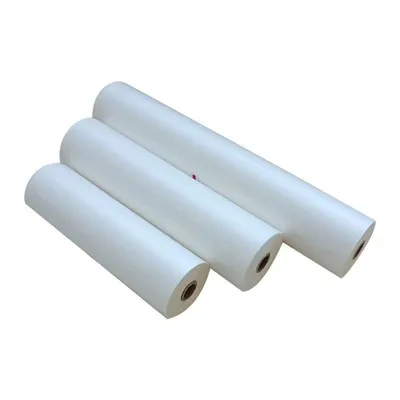
If you’re considering making the switch, or if you’ve tried metalized film before and ran into issues with adhesion, I’d be happy to walk you through the details. We can send free samples, share test reports, or answer any questions you have about matching the right film grade to your specific cardboard substrate. There’s no pressure, just honest advice from someone who’s been in the metalized laminating film business for over a decade, working with small brands and large manufacturers alike to find the best packaging solutions. Reach out to our team to discuss your project, and let’s make your cardboard packaging work as hard as you do.
Thermal Laminating Film References
- Technical Association of the Pulp and Paper Industry (TAPPI). Lamination of Paper and Paperboard: Adhesion and Performance Standards. TAPPI Press, 2021.
- Food and Drug Administration (FDA). Food Contact Substance Notification Program: Metalized Polyester Film for Food Packaging. U.S. FDA, 2022.
- Packaging Digest. "Metalized Films: The Growth Engine of Flexible and Rigid Packaging." Packaging Digest, vol. 58, no. 3, 2023, pp. 22-27.
- International Organization for Standardization (ISO). ISO 11093: Paper and Board – Testing of Coreboard, Part 2: Determination of Thickness and Apparent Density. ISO, 2019.
- Modern Plastics. "Thermal Laminates for Rigid Substrates: Performance Benefits and Application Best Practices." Modern Plastics, vol. 100, no. 4, 2022, pp. 45-49.
Yantai Hongqing Packing Material Co., Ltd.
Yantai Hongqing Packing Material Co., Ltd. is one of the most professional metalized thermal laminating film manufacturers and suppliers in China, also supports customized service. Welcome to wholesale advanced metalized thermal laminating film made in China here and get quotation from our factory. Quality products and reasonable price are available.
Address: Eastern Industrial Park, Taocun, Yantai, Shandong Province, China
E-mail: cindy@ythongguang.cn
WebSite: https://www.hqingnewmat.com/
