Can Bite Resistant Fabric be Used in Aviation Applications?
In recent years, the quest for enhanced safety and performance in aviation has led to the exploration of various innovative materials. As a supplier of bite resistant fabric, I’ve been intrigued by the potential applications of our product in the aviation industry. This blog post aims to delve into the feasibility and potential benefits of using bite resistant fabric in aviation. Bite Resistant Fabric
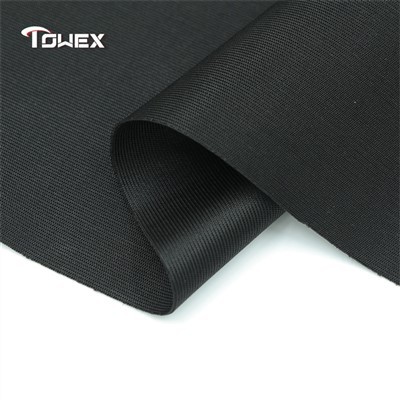
Understanding Bite Resistant Fabric
Bite resistant fabric is engineered to withstand the forces exerted by biting, tearing, and puncturing. It is typically made from high – strength fibers such as aramid fibers (e.g., Kevlar), ultra – high – molecular – weight polyethylene (UHMWPE), or a combination of these materials. These fibers offer excellent tensile strength, cut resistance, and abrasion resistance, making the fabric suitable for applications where protection against sharp objects or physical attacks is required.
In industries like law enforcement and military, bite resistant fabric is used in body armor, gloves, and other protective gear. It provides an extra layer of security for personnel who may encounter aggressive individuals with the potential to bite. But the question that arises is whether these properties can be translated into valuable applications in the aviation sector.
Potential Aviation Applications
Cabin Interiors
One of the most obvious areas where bite resistant fabric could find use is in cabin interiors. Airlines are constantly looking for materials that can withstand the rigors of daily use. Passengers may inadvertently or intentionally cause damage to the cabin seats, armrests, and other upholstered areas. Bite resistant fabric, with its high tear and puncture resistance, could provide a more durable alternative to traditional fabrics.
For example, in long – haul flights, passengers may be more prone to stress and anxiety, which could sometimes lead to aggressive behavior. Bite resistant fabric on seat covers could prevent damage from passengers who might resort to biting in extreme situations. This would not only reduce maintenance costs for airlines but also extend the lifespan of cabin furnishings.
Flight Crew Uniforms
Flight crews are often in close contact with passengers and may encounter difficult situations. While physical attacks on flight crews are relatively rare, having bite resistant fabric integrated into their uniforms could provide an added layer of protection. In case of an unruly passenger attempting to bite a crew member, the fabric could prevent injuries and allow the crew to maintain better control of the situation.
Flight crew uniforms are also subject to a lot of wear and tear during normal operations. The abrasion resistance of bite resistant fabric would make the uniforms last longer, reducing the frequency of replacement. This is not only cost – effective but also environmentally friendly as it reduces the amount of textile waste generated.
Cargo Compartments
In the cargo compartments of aircraft, there are various types of goods being transported. Some of these goods may contain sharp objects or be prone to shifting during flight. Bite resistant fabric could be used as a lining material in cargo containers or on the walls of the cargo hold. It would protect the cargo from damage caused by friction or being punctured by other items. Additionally, it could prevent any potential damage to the aircraft’s cargo area, which is crucial for the overall safety and integrity of the plane.
Technical Considerations
Weight
Weight is a critical factor in aviation. Any additional weight added to an aircraft can have a significant impact on fuel consumption, range, and payload capacity. As a supplier, we understand the importance of developing lightweight yet effective bite resistant fabrics. Our research and development team has been working on optimizing the fiber composition and fabric structure to reduce weight without sacrificing performance. By using advanced manufacturing techniques, we are able to produce bite resistant fabrics that are comparable in weight to traditional aviation fabrics, making them a viable option for various applications.
Fire Resistance
Aviation materials are required to meet strict fire resistance standards. Our bite resistant fabrics can be engineered to have excellent fire – retardant properties. We use special treatments and additives during the manufacturing process to ensure that the fabric meets or exceeds the relevant aviation fire safety regulations. This is essential to ensure the safety of passengers and crew in case of a fire on board the aircraft.
Compatibility with Aviation Systems
In addition to weight and fire resistance, the bite resistant fabric must be compatible with other aviation systems. For example, it should not interfere with the operation of seat mechanisms or electronic equipment in the cabin. Our team conducts extensive testing to ensure that the fabric does not cause any adverse effects on the performance of other aircraft components.
Market Demand and Challenges
In terms of market demand, there is a growing interest from airlines and aircraft manufacturers in innovative materials that can enhance safety and durability. The potential cost savings associated with using bite resistant fabric in cabin interiors and crew uniforms are also attractive. However, there are several challenges that need to be addressed.
One of the main challenges is the perception of the additional cost. Initially, the price of bite resistant fabric may be higher than that of traditional fabrics. However, when considering the long – term benefits such as reduced maintenance costs and extended lifespan, the overall cost – effectiveness becomes more apparent. We are working on improving our manufacturing processes to further reduce costs and make our products more competitive in the market.
Another challenge is the need for regulatory approvals. Any new material used in aviation must go through rigorous testing and certification processes. We are committed to working closely with aviation regulatory authorities to ensure that our bite resistant fabrics meet all the necessary standards.
Conclusion
In conclusion, bite resistant fabric has significant potential for use in aviation applications. From cabin interiors to flight crew uniforms and cargo compartments, the unique properties of bite resistant fabric can provide enhanced safety, durability, and cost – effectiveness. As a supplier, we are dedicated to developing high – quality, lightweight, and fire – resistant bite resistant fabrics that meet the strict requirements of the aviation industry.
UHMWPE Raw Materials If you are an airline, aircraft manufacturer, or any other entity in the aviation sector interested in exploring the use of bite resistant fabric, I encourage you to reach out to us for a detailed discussion. We can provide samples for testing and work with you to customize the fabric to your specific needs. Let’s work together to take aviation safety and performance to the next level.
References
- "Aviation Materials Handbook" by SAE International
- "Advanced Fibers for Protection and Safety" edited by R. N. Ahmad and K. K. Chawla
- Industry reports on aviation safety and materials innovation
Jiaxing Towex New Materials Co., Ltd.
Jiaxing Towex New Materials Co., Ltd. is one of the most experienced bite resistant fabric manufacturers and suppliers in China, also supports customized service with low price. Please feel free to buy bulk high quality bite resistant fabric in stock here from our factory. Contact us for quotation.
Address: Building 1666, Wuzhen High-tech Zone, Tongxiang City, Zhejiang Province
E-mail: sales@towextech.com
WebSite: https://www.topuhmwpe.com/
