In the industrial realm, the proper use of chain slings and hardware riggings is of paramount importance for ensuring safety and efficiency in various lifting operations. As a leading supplier of chain slings and hardware riggings, I have witnessed firsthand the significance of comprehensive employee training in this area. In this blog post, I will delve into the key aspects of training employees on the proper use of these vital tools. Chain Sling and Hardware Riggings
Understanding the Basics: Chain Slings and Hardware Riggings
Before initiating any training program, it is essential that employees have a clear understanding of what chain slings and hardware riggings are. Chain slings are made of high – strength alloy steel chains and are designed to lift and secure heavy loads. They come in various configurations, such as single – leg, multi – leg, and endless slings, each suitable for different types of lifting tasks.
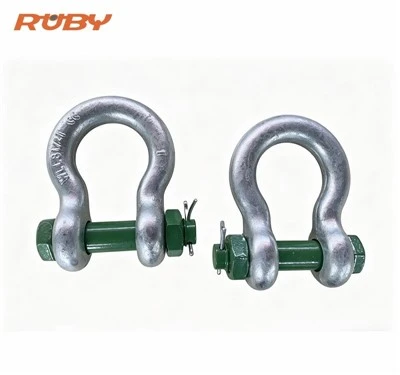
Hardware riggings, on the other hand, include a wide range of components like hooks, shackles, links, and turnbuckles. These components are used in conjunction with chain slings to form a complete lifting system. They play a crucial role in connecting the load to the lifting equipment and ensuring a stable and secure lift.
Safety First: The Core of Training
Safety must be the cornerstone of any training program on chain slings and hardware riggings. Employees should be educated about the potential hazards associated with improper use, such as load dropping, equipment failure, and personal injury.
One of the first steps in safety training is to familiarize employees with relevant safety standards and regulations. For example, in the United States, the Occupational Safety and Health Administration (OSHA) has specific regulations regarding the use of lifting equipment. These regulations cover aspects such as inspection requirements, load capacity limits, and proper usage procedures. Employees should be made aware that adherence to these standards is not only a legal obligation but also a matter of personal and workplace safety.
Inspection Procedures
Regular inspection of chain slings and hardware riggings is a critical safety measure. During training, employees should be taught how to conduct pre – use and periodic inspections.
For pre – use inspections, employees should check for visible signs of damage such as cracks, bends, or excessive wear on the chains, hooks, and other components. They should also ensure that all pins and bolts are properly tightened and that there are no signs of corrosion.
Periodic inspections, which are typically more comprehensive, should be carried out at regular intervals as specified by the manufacturer or relevant standards. These inspections may involve non – destructive testing methods to detect internal flaws that may not be visible to the naked eye.
Understanding Load Capacity
Another crucial aspect of training is teaching employees how to determine the load capacity of chain slings and hardware riggings. Each piece of equipment has a rated load capacity, which is the maximum weight it can safely lift under specific conditions.
Employees need to understand that the load capacity can be affected by various factors, such as the type of sling configuration, the angle of the sling legs, and the working environment. For example, a multi – leg sling may have a different load capacity depending on the included angle between the legs. Training should include practical exercises and calculations to help employees accurately determine the safe working load for different lifting scenarios.
Proper Sling Selection
Selecting the right chain sling for a particular lifting task is essential for safety and efficiency. Employees should be trained to consider factors such as the weight and shape of the load, the lifting environment, and the required sling length.
For irregularly shaped loads, special sling configurations or additional rigging components may be required to ensure a balanced lift. Employees should also be aware of the limitations of different types of slings. For instance, a single – leg sling may not be suitable for lifting a wide or unstable load.
Hardware Riggings Installation and Use
Proper installation and use of hardware riggings are just as important as the correct selection of chain slings. Training should cover the correct way to attach hooks, shackles, and other components to the chain slings and the load.
For example, when using a hook, employees should ensure that it is properly seated on the load and that the safety latch is engaged. Shackles should be tightened to the appropriate torque, and the correct type of shackle (e.g., screw – pin or bolt – type) should be used depending on the application.
Lifting and Moving Operations
Once the chain slings and hardware riggings are properly selected and installed, employees need to be trained on safe lifting and moving operations. This includes techniques for attaching the sling to the lifting equipment, such as cranes or hoists, and methods for controlling the load during lifting.
Employees should be taught to avoid sudden starts and stops, as these can cause the load to swing and potentially lead to accidents. They should also be aware of the importance of maintaining a clear line of sight during lifting and to be prepared to respond to any unexpected movements of the load.
Training Methods
There are several effective methods for training employees on the proper use of chain slings and hardware riggings.
Classroom training is a good way to introduce the theoretical aspects of chain slings and hardware riggings, such as safety standards, load capacity calculations, and sling selection. In the classroom, instructors can use visual aids, such as diagrams and videos, to illustrate key points.
Hands – on training is equally important. This allows employees to practice the skills they have learned in a controlled environment. Practical exercises can include inspecting equipment, selecting the appropriate sling and hardware rigging for a given load, and performing a simulated lift.
On – the – job training can also be valuable, where experienced workers can mentor new employees and provide real – time feedback on their performance.
Record – Keeping and Documentation
Maintaining accurate records of training and equipment inspections is an important part of a comprehensive training program. Records should include details such as the date of training, the topics covered, the names of the trainees, and the results of inspections.
These records not only serve as evidence of compliance with safety regulations but also help in identifying areas where further training may be needed. For example, if multiple employees make the same mistake during hands – on training, it may indicate that a particular topic needs to be revisited.
Conclusion

Training employees on the proper use of chain slings and hardware riggings is a complex but essential task. By focusing on safety, inspection procedures, load capacity, proper selection, and installation, as well as safe lifting and moving operations, you can ensure that your employees are well – equipped to handle these critical tools.
Weldable Lifting Lugs If you are looking for high – quality chain slings and hardware riggings, as well as advice on employee training, we are here to help. We supply a wide range of products that meet the highest industry standards. Contact us to discuss your requirements and explore how we can support your business.
References
- Occupational Safety and Health Administration (OSHA) regulations on lifting equipment.
- Manufacturer’s manuals for chain slings and hardware riggings.
- Industry best practices and guidelines from relevant professional organizations.
Hangzhou Ruby Imp. & Exp. Co., Ltd.
As one of the most experienced chain sling and hardware riggings manufacturers and suppliers in China, we offer a wide range of products with superior quality. We warmly welcome you to wholesale custom made chain sling and hardware riggings at competitive price from our factory.
Address: Taoyuan Industrial Park, Puyang Town, Xiaoshan, Hangzhou, Zhejiang, China.
E-mail: Sales5@z2lifting.com
WebSite: https://www.rubylifting.com/
