As a passionate stakeholder in the continuous glucose monitoring (CGM) industry and a supplier deeply involved in this sector, I’ve witnessed firsthand the revolutionary impact that CGM technology has had on diabetes self – management. In this blog post, I’ll delve into the multifaceted ways in which CGM is transforming the lives of diabetes patients, offering them a more accurate, convenient, and effective means of managing their condition. CGM

Real – Time Glucose Monitoring
One of the most significant advantages of CGM is its ability to provide real – time glucose readings. Traditional fingerstick blood glucose testing provides a snapshot of blood sugar levels at a specific moment. In contrast, CGM systems continuously track glucose levels in the interstitial fluid, usually every few minutes. This continuous stream of data allows patients to see how their glucose levels fluctuate throughout the day, in response to factors such as food intake, physical activity, stress, and medication.
For example, a diabetic patient who uses a CGM device can immediately see how a particular meal affects their blood sugar. If they notice a sharp spike after eating a certain type of food, they can adjust their diet accordingly in the future. This real – time feedback is invaluable for making informed decisions about daily life, such as when to exercise or whether to take an extra dose of insulin.
Improved Glycemic Control
The ability to monitor glucose levels in real – time leads to better glycemic control. By having access to detailed information about their glucose trends, patients can make timely adjustments to their treatment plans. This can result in fewer episodes of hyperglycemia (high blood sugar) and hypoglycemia (low blood sugar).
Studies have shown that CGM use is associated with a reduction in HbA1c levels, which is a measure of average blood sugar over a period of two to three months. Lower HbA1c levels are linked to a decreased risk of long – term diabetes complications, such as heart disease, kidney disease, and nerve damage. In addition, the early detection of hypoglycemic events through CGM can prevent severe hypoglycemia, which can be life – threatening.
Enhanced Quality of Life
CGM also has a significant impact on the quality of life of diabetes patients. The reduced need for frequent fingerstick testing is a major relief for many. Fingerstick testing can be painful, especially for those who need to test their blood sugar multiple times a day. With CGM, the number of fingersticks can be significantly reduced, as the CGM device provides most of the necessary glucose information.
Moreover, CGM gives patients more freedom and flexibility in their daily lives. They can engage in activities without constantly worrying about when to test their blood sugar. For instance, athletes with diabetes can use CGM to monitor their glucose levels during exercise and adjust their carbohydrate intake or insulin dosage as needed. This allows them to participate in sports more safely and effectively.
Data Analysis and Personalized Care
Modern CGM systems come with software that can analyze the collected glucose data. These analytics tools can generate reports that show patterns and trends in glucose levels over time. Healthcare providers can use these reports to gain a deeper understanding of a patient’s diabetes management and develop more personalized treatment plans.
For example, the software can identify the times of day when a patient’s glucose levels are most unstable, or the types of foods that cause the greatest fluctuations. Based on this information, the healthcare provider can recommend specific dietary changes, exercise routines, or insulin regimens. This personalized approach to diabetes management is more effective than a one – size – fits – all approach.
Alerts and Notifications
Most CGM devices are equipped with customizable alerts and notifications. Patients can set alerts for high and low glucose levels, as well as for rapid changes in glucose levels. These alerts are crucial for preventing dangerous situations, especially during sleep.
For example, a nocturnal hypoglycemic event can go unnoticed in a traditional diabetes management routine. However, with a CGM device, the patient or their caregiver can be alerted immediately if the glucose level drops too low. This allows for prompt intervention, such as consuming a snack or adjusting insulin dosage, which can prevent serious complications.
Challenges and Considerations
While CGM offers numerous benefits, it’s important to acknowledge that there are also some challenges associated with its use. One of the main challenges is the cost. CGM systems can be expensive, and not all insurance plans cover the full cost. This can make it difficult for some patients to access this technology.
Another challenge is the learning curve. Using a CGM device and interpreting the data requires some training and education. Patients need to understand how to insert the sensor, calibrate the device (in some cases), and read the glucose reports. Healthcare providers play a crucial role in providing this education and support.
The Future of CGM in Diabetes Self – Management
The future of CGM in diabetes self – management looks promising. Technological advancements are continuously improving the accuracy, convenience, and affordability of CGM systems. For example, new sensors are being developed that are smaller, more durable, and require less frequent replacement.
In addition, the integration of CGM with other technologies, such as insulin pumps and mobile health apps, is creating a more comprehensive diabetes management ecosystem. These integrated systems can automatically adjust insulin delivery based on real – time glucose data, providing a more seamless and efficient way of managing diabetes.
Conclusion
In conclusion, CGM has had a profound impact on diabetes self – management. It offers real – time glucose monitoring, improves glycemic control, enhances quality of life, enables data – driven personalized care, and provides crucial alerts and notifications. While there are challenges to overcome, the benefits of CGM far outweigh the drawbacks.
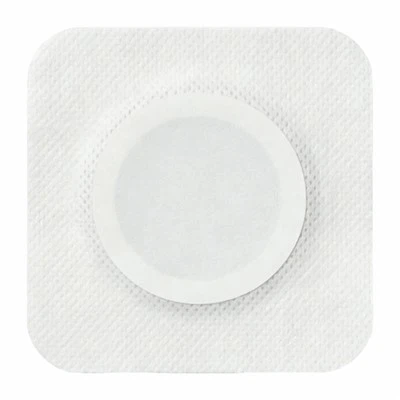
Medical Adhesive As a CGM supplier, I’m committed to making this life – changing technology more accessible and user – friendly. We believe that every diabetes patient should have the opportunity to benefit from the advantages of CGM. If you’re interested in learning more about our CGM products or are considering incorporating CGM into your diabetes management routine, we encourage you to reach out to us for a procurement discussion. Our team of experts is ready to provide you with detailed information, answer your questions, and help you find the best CGM solution for your needs.
References
- Bergenstal RM, Tamborlane WV, Ahmann AJ, et al. Randomized crossover trial of continuous glucose monitoring in adults with type 1 diabetes using multiple daily insulin injections. Diabetes Care. 2010;33(10):2107 – 2113.
- Battelino T, Bolinder J, Buckingham BA, et al. Continuous glucose monitoring – current status and future directions: a position statement of the European Association for the Study of Diabetes (EASD) and the American Diabetes Association (ADA). Diabetes Care. 2018;41(12):2477 – 2493.
- Hirsch IB. Continuous glucose monitoring: technology, indications, barriers, and future. Diabetes Care. 2017;40(12):1607 – 1614.
Shenzhen Omori Biological Technology Co., Ltd.
We’re well-known as one of the leading CGM manufacturers and suppliers in China. We warmly welcome you to wholesale high quality CGM made in China here from our factory. If you have any enquiry about customized service, please feel free to email us.
Address: Floor4, No43, Langkou Industrial park, Dalang Street, Longhua District, Shenzhen City, Guangdong Province, China
E-mail: wya@omorimed.com
WebSite: https://www.omorimed.com/
