What maintenance is required for aluminum foil insulation tape? Aluminum Foil Insulation Tape
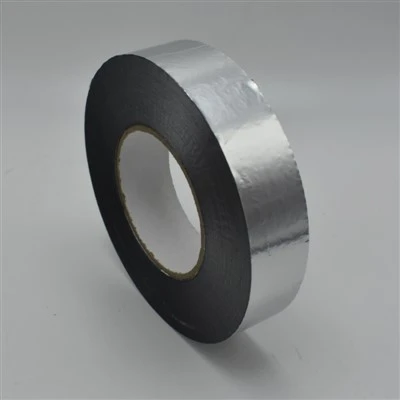
As a supplier of aluminum foil insulation tape, I’ve had numerous interactions with customers who are curious about the maintenance of this versatile product. Aluminum foil insulation tape is widely used in various industries and applications, from HVAC systems to electrical insulation and automotive uses. Understanding its maintenance requirements is crucial for ensuring its long – term performance and cost – effectiveness.
Storage Conditions
Proper storage is the first step in maintaining aluminum foil insulation tape. The tape should be stored in a cool, dry place. Temperatures should ideally be between 20°C and 30°C (68°F and 86°F). High temperatures can cause the adhesive on the tape to soften, leading to it sticking to itself or other objects in an unwanted way. For example, if the tape is stored in a warehouse where the summer heat can soar above 40°C (104°F), the adhesive may become too soft, and the tape rolls may fuse together.
On the other hand, extremely low temperatures can make the tape brittle. If the tape is stored in a cold environment, say below 0°C (32°F), the aluminum foil may crack, and the adhesive may lose its bonding strength. Humidity is also a factor to consider. High humidity can cause corrosion on the aluminum foil over time. A relative humidity of less than 60% is recommended. If the tape is stored in a damp basement with a relative humidity of 80% or more, moisture can seep into the foil, causing it to oxidize and reducing its insulation properties.
Inspection Before Use
Before using the aluminum foil insulation tape, a thorough inspection is necessary. Check the tape for any visible signs of damage, such as tears, cuts, or holes in the foil. A small tear in the foil can significantly reduce its insulation effectiveness, as it allows heat to transfer through the damaged area. Also, examine the adhesive side. If the adhesive appears dry, flaky, or has been contaminated with dust or debris, it may not bond properly.
In industrial settings, where the tape is often used in large quantities, it’s a good practice to inspect a sample from each new batch. This helps to identify any potential quality issues early on. For instance, in an electrical installation project, using a damaged piece of tape can lead to electrical hazards, so it’s essential to ensure that every piece of tape is in good condition.
During Installation
During the installation process, proper handling is essential for maintaining the tape’s integrity. The surface where the tape will be applied should be clean and dry. Any dirt, oil, or moisture on the surface can prevent the adhesive from bonding effectively. For example, when applying the tape to an HVAC duct, if the duct surface has grease from previous installations, the tape may not stick well and may peel off over time.
Use the right tools for cutting the tape. A sharp utility knife or a pair of scissors can make a clean cut, whereas a dull blade can cause the edges of the tape to fray. Frayed edges can compromise the tape’s insulation and sealing properties. When applying the tape, make sure to smooth it out evenly to avoid air bubbles. Air bubbles can act as heat transfer channels, reducing the tape’s insulation efficiency.
After Installation
Once the aluminum foil insulation tape is installed, regular monitoring is required. In some applications, such as in industrial ovens, the tape may be exposed to high temperatures, vibrations, and chemical fumes. Inspect the tape periodically for signs of wear and tear. Check if the edges are starting to peel or if there are any visible signs of corrosion.
If the tape is used in an outdoor environment, it may be exposed to UV radiation. UV rays can degrade the aluminum foil over time, causing it to lose its reflectivity and insulation properties. In such cases, consider using a tape with UV – resistant coating. If you notice any issues during the inspection, such as peeling edges, you can re – apply pressure to the affected area. If the damage is more severe, such as a large tear, it may be necessary to replace the damaged section of the tape.
Cleaning the Tape
In some cases, the aluminum foil insulation tape may get dirty. When cleaning the tape, it’s important to use a mild cleaning solution. Harsh chemicals can damage the foil and the adhesive. A simple mixture of water and a small amount of mild dish soap can be used. Gently wipe the tape with a soft cloth soaked in the cleaning solution. Avoid scrubbing too hard, as this can scratch the foil and reduce its reflective properties.
After cleaning, rinse the tape with clean water and dry it thoroughly. This helps to prevent any residue from the cleaning solution from affecting the tape’s performance. In a food processing facility, where hygiene is crucial, regular cleaning of the tape used in equipment insulation can prevent the growth of bacteria and ensure the safety of the food products.
Special Considerations for Different Applications
In HVAC applications, the tape is often used to seal joints and seams in ductwork. The tape should be inspected regularly to ensure that the seals are intact. Any gaps or leaks can cause heat loss or gain, reducing the efficiency of the HVAC system. In this case, it’s important to use a tape that is specifically designed for HVAC applications, which is usually more flexible and has better adhesion to duct materials.
In electrical insulation, the tape must maintain its insulating properties. It should be checked for any signs of electrical arcing or overheating. If the tape is used in high – voltage applications, it’s crucial to follow strict safety standards and perform more frequent inspections. In automotive applications, the tape may be exposed to engine vibrations, oil, and road dirt. Special care should be taken to protect the tape from these elements and to ensure its long – term performance.
Conclusion
Maintaining aluminum foil insulation tape is a multi – step process that involves proper storage, inspection, installation, monitoring, and cleaning. By following these maintenance guidelines, users can ensure that the tape performs optimally over its lifespan. As a supplier of aluminum foil insulation tape, I’m committed to providing high – quality products and sharing my knowledge to help customers get the most out of our tapes. If you have any questions about the maintenance of our aluminum foil insulation tape or are interested in purchasing our products for your next project, I encourage you to reach out for a detailed discussion. Our team of experts is ready to assist you in selecting the right tape for your specific needs and guiding you through the maintenance process.
Aluminum Foil Insulation Tape References
- ASTM International standards for aluminum foil and adhesive – tape products.
- Industry guides on HVAC insulation and electrical insulation best practices.
- Technical manuals provided by leading tape manufacturers.
Deqing Hongxin New Material Technology Co., Ltd.
As one of the most professional aluminum foil insulation tape manufacturers and suppliers in China, we also support customized service. Please feel free to wholesale high quality aluminum foil insulation tape in stock here from our factory. Welcome to contact us for quotation.
Address: No. 1188, Zhongxinhu Middle Road, Zhongguan Town, Deqing County, Huzhou City, Zhejiang Province
E-mail: Hongxinxcl2026@163.com
WebSite: https://www.hxnewmat.com/
