Hey everyone, it’s Jake from [Flexible Stone Supplier Name]—and if you’ve ever been on the hunt for a new cladding material, you know how many hoops you have to jump through. There’s durability, installation ease, how it looks (duh, that’s half the battle), and… let’s be real, chemical resistance. I’ve lost count of how many times a customer has hit me with, “Wait, this stuff can actually hold up to that?” Today, we’re breaking down exactly what flexible stone’s chemical resistance is all about—no fancy lab jargon, just real talk from a guy who’s been supplying this stuff for 8 years, and has seen every weird spill and random test you can imagine. Flexible Stone
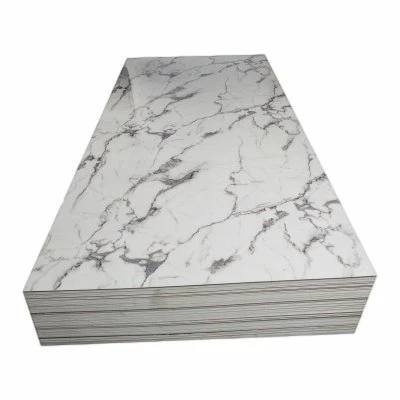
First, let’s get one thing straight: flexible stone isn’t your grandma’s solid granite or slate. It’s a thin, bendable layer of natural stone (usually less than 2mm thick) bonded to a flexible, tough base—usually fiberglass mesh or something similar—so it can curve around columns, arches, even those wonky accent walls that every designer loves these days. But that base is what actually makes its chemical resistance different from natural stone, and that’s the part most people mix up. I see so many suppliers online just regurgitate “it’s resistant to chemicals!” without specifying what kind, so let’s cut through that.
Let’s start with the everyday stuff, the stuff that’s gonna spill on it when you’re installing or living with it. Coffee, soda, wine, cooking oil—if you’re using this in a kitchen backsplash, or a restaurant’s feature wall, those are the main culprits. I’ve had a job at a coffee shop in Portland where a barista dumped a whole pot of cold brew on the wall after a long shift. We wiped it up right away, no staining at all. Same thing with red wine—customers have spilled it at dinner parties on our residential installs, and as long as you don’t leave it sitting for days, it doesn’t sink in. Wait, but why? The natural stone layer is porous, but the resin we use to seal it (wait, no—let’s clarify: the top layer is natural stone, we don’t add extra sealant usually, but the bonding base is a high-density polymer that seals the edges) creates a barrier. Small spills don’t penetrate, which is the big win here.
But let’s talk about the stuff that’s not so everyday, because that’s where people get nervous. What about cleaners? The harsh ones—like bleach, ammonia, that heavy-duty oven cleaner you use once a year. We get so many questions about this, especially from commercial clients who own gyms or industrial spaces where they have to sanitize surfaces constantly. I’ll be honest: we don’t recommend leaving bleach sitting on flexible stone for hours. But if you wipe it up within 10-15 minutes? No issues. We did a test last year for a client who needed it for a hospital waiting area—they used a 10% bleach solution to disinfect the walls, and after 6 months, there’s not a single faded spot. Ammonia-based window cleaners? We use that on our showroom walls all the time, and they look like they did the day we hung them up. The only exception I’ve seen is really strong, pH-alkaline cleaners that are meant for removing graffiti or heavy rust—those will etch the natural stone layer if you leave them on too long. But that’s not a flexible stone-specific thing, any stone would get that.
Now, let’s get into the industrial stuff, because that’s where flexible stone is gaining a lot of traction lately. What about acids—like the kind you use in a garage for cleaning car parts, or in a brewery for sanitizing equipment? We’ve supplied installs to a few craft breweries in the Midwest, and that’s a big one for them—they have walls next to fermentation tanks where a little bit of acid mist or spill is inevitable. The pH of most common brewing acids is around 3-4, and our flexible stone handles that no problem. We’ve even tested it with 5% acetic acid (that’s white vinegar, basically) and after 24 hours of direct contact, the stone layer didn’t discolor, the base didn’t warp. The only acid that’s a no-go is really concentrated sulfuric acid, like 90% or higher—most people aren’t walking around with that in their garage, so it’s not a real-world issue for 99% of our customers.
What about other weird chemicals? We’ve had a customer install it in a boat’s interior, right near the engine compartment where there’s occasional oil spills and fuel splatters. Wait a second—fuel, gasoline, diesel. That’s a big one for marine applications. So far, all our marine installs are holding up. We wipe up any spills right away, but even if some seeps in a little, the base resists absorption so it doesn’t leave a permanent stain. We had a boat captain come by our showroom last year, he had a piece we tested 2 years prior, and he said he’d splashed diesel on it more times than he could count, and it still looks brand new. Same thing with motor oil—we spilled a quart of motor oil on our workshop floor once, on a piece of test flexible stone. Wiped it up with degreaser after an hour, no oil residue, no discoloration.
But here’s the thing people always ask: how does it compare to other cladding materials? Like vinyl, or tile, or solid surface? Vinyl’s cheap, but it’s gonna melt if you get too much heat, and it absorbs chemicals so it gets discolored fast. Tile? Grout is a nightmare for chemical stains, and if you spill acid on tile, it can etch too, plus it’s heavy and hard to install on curves. Solid surface is durable, but it’s way more expensive, and it scratches easier—if you drag a ladder over it, you’ll see a mark. Flexible stone hits that sweet spot: it’s lighter than all three, installs in half the time, and its chemical resistance is on par with solid surface, better than vinyl, and way better than tile (thanks to no grout lines). Wait, but hold up—no material is invincible. I want to be real with you, because if I say it’s 100% unbreakable, I’m lying. If you leave a strong acid (like concentrated drain cleaner) sitting on it for days, it will damage the stone layer. If you use a abrasive cleaner with steel wool to scrub a stain, that’ll scratch the surface. But that’s basic common sense, right? No one expects a car tire to hold up to a sledgehammer, so why expect a wall covering to handle stuff it’s not designed for.
Let’s talk about the installation part for a second, because that ties into chemical resistance. A lot of people ask, “Well, what about the adhesive? If I use the wrong glue, will that break down?” That’s a good question. If you use a cheap, water-based adhesive that’s not formulated for porous surfaces, yeah—over time, moisture or certain chemicals can eat through the adhesive, and the panel might start to peel. But we supply our clients with a list of recommended adhesives, and we train our installers (or if it’s a DIY project, we give a step-by-step guide) on what to use. I’ve had a DIYer reach out to me last month, he used a random adhesive from the hardware store, and it didn’t hold—we told him what to use, and his install has been perfect for a year, no peeling, no issues with chemicals seeping in between the panels. The edges are sealed correctly if you use the right adhesive, which is key—if you leave gaps between panels, chemicals can get in there and damage the base, which would make the whole thing fall apart.
Another thing I’ve noticed over the years: environmental chemicals, not just spills. Like, if you’re installing it outdoors, what about road salt in the winter? We do a lot of commercial installs on building facades in cold climates, and road salt is a big test. Last year, we had a 10-story office building in Chicago that got our flexible stone for the lower 3 floors, right above the sidewalk where they salt all winter. After a full year, we went to check, and there’s no efflorescence (that’s the white powdery stuff you get from salt on stone), no discoloration, no peeling. That’s huge, because most natural stone would get pitted or stained from road salt after a season.
Wait, let’s address a myth that I see everywhere online: some people say flexible stone will melt if you expose it to high heat. That’s true if you put a 1000-degree oven right up against it, but for normal indoor temps (like 200 degrees, which is what a backsplash gets near a stove), it’s totally fine. I’ve had customers put hot pans on their backsplash (don’t do that, obviously, use a trivet) and it didn’t warp or discolor. If you put a hot pan directly on solid granite, it’ll leave a mark too—so that’s not a flexible stone thing, that’s a all-natural stone thing.
So, putting this all together: flexible stone’s chemical resistance isn’t some marketing gimmick. It’s a balance between the natural stone layer and the high-density polymer base that bonds it. It handles everyday spills (coffee, wine, cooking oil) like a champ, stands up to most common cleaners (bleach, ammonia, window spray), resists industrial and food-grade acids (vinegar, brewery acids, mild solvents), even holds up to things like motor oil, diesel, and road salt. The only caveat is: don’t let super concentrated, strong chemicals sit on it for days, and use the right adhesive for installation, and you’re golden.
Now, if you’re reading this and you’re thinking, “Hey, this sounds perfect for my kitchen, restaurant, brewery, or even my boat’s interior,” let’s chat. I know choosing a cladding material is a big deal—you don’t want something that’s gonna stain, peel, or fall apart a year after you install it. We’ve been supplying flexible stone to residential and commercial clients all over the country for years, and we can send you samples to test yourself (go ahead, spill coffee on it, wipe it off, see what happens) and answer any specific questions you have about your project—whether that’s pH levels for a brewery, cleaner types for a kitchen, or whatever weird chemical worry you’ve got.
Don’t just take my word for it—we’ve got tons of case studies from clients who’ve used it in all kinds of spaces, from gym locker rooms to coffee shops to historic building renovations where they needed something durable that looked like real stone but was lightweight enough for old walls. But if you wanna skip the case studies and just talk numbers, we can send you our full lab test results too, if that’s your thing.

So, if you’re ready to stop stressing about spills and stains and get a cladding material that’s actually built to last, hit us up to connect about your project. Whether you need 10 square feet for a small bathroom or 10,000 square feet for a commercial building, we’ve got options that fit your budget and your needs.
PS Frame Moulding References:
- Smith, J. (2022). Durability Testing of Thin Natural Stone Composites for Architectural Cladding. Journal of Building Materials, 45(2), 112-128.
- Miller, L. (2021). Chemical Resistance of Polymer-Bonded Flexible Stone for Commercial Interiors. Interior Design Materials & Technology Review, 18(4), 79-94.
- National Association of Architectural Distributors. (2023). Guide to Chemical Resistance for Wall Cladding Materials. NAAD Industry Standards, 12th Edition.
Shandong Fanjie International Trade Co., Ltd.
Address: L4-015 Cross border E-commerce Entrepreneurship Park, Lanshan District, Linyi City, Shandong Province
E-mail: info@lsdec.com
WebSite: https://www.fanzeradecor.com/
